
Editorial
View Khuddam Pledge as a Personal Challenge: Hazrat Khalifatul-Masih V
Extracts from the speech of Hazrat Khalifatul-Masih V from the concluding session of MKA UK National Ijtema 2021
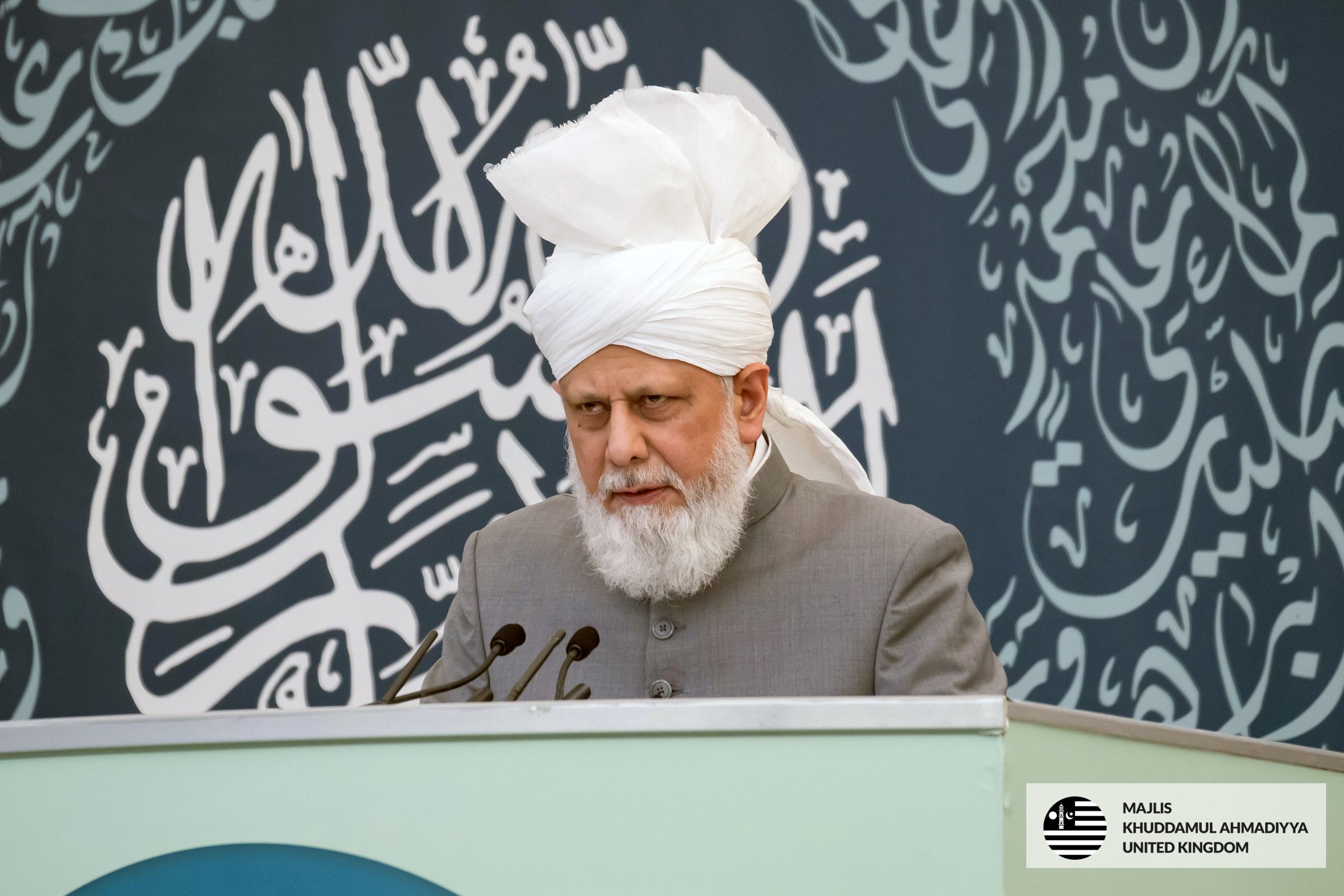
Majlis Khuddamul Ahmadiyya UK was incredibly privileged to have Hazrat Khalifatul-Masih Vaba, address Khuddam at the concluding session of the National Ijtema—marking two years since Huzoor’s previous address at a Khuddam National Ijtema.
The address ranged from explaining the true purpose of organising Ijtemas, stating the responsibilities of Khuddam and their value to the Jama’at, as well as giving a challenge to Khuddam to strive for academic excellence in their respective fields.
Below we present extracts from the address.
From the outset, Huzooraba stated that despite the natural inclination to socialise after two difficult years spent socially distanced and isolated, “It is very important to recognise that the primary objective of the Ijtema is not merely for the Khuddam and Atfal to gather together and enjoy each other’s company. Rather, the true and overriding objective of the Ijtema is the spiritual, moral and religious development of the participants.”
Further explaining this, Huzoor said “The Ijtema provides a place for you to take a step away from the material world, and focus your time and energy on absorbing and experiencing those speeches, competitions, and activities that will increase your piety and standards of righteousness.”
“These Ijtemas are held to ensure that every single Ahmadi, both male and female, and regardless of their age, ethnicity, or social background, understand that they are each of great value and importance to the Jama’at.”
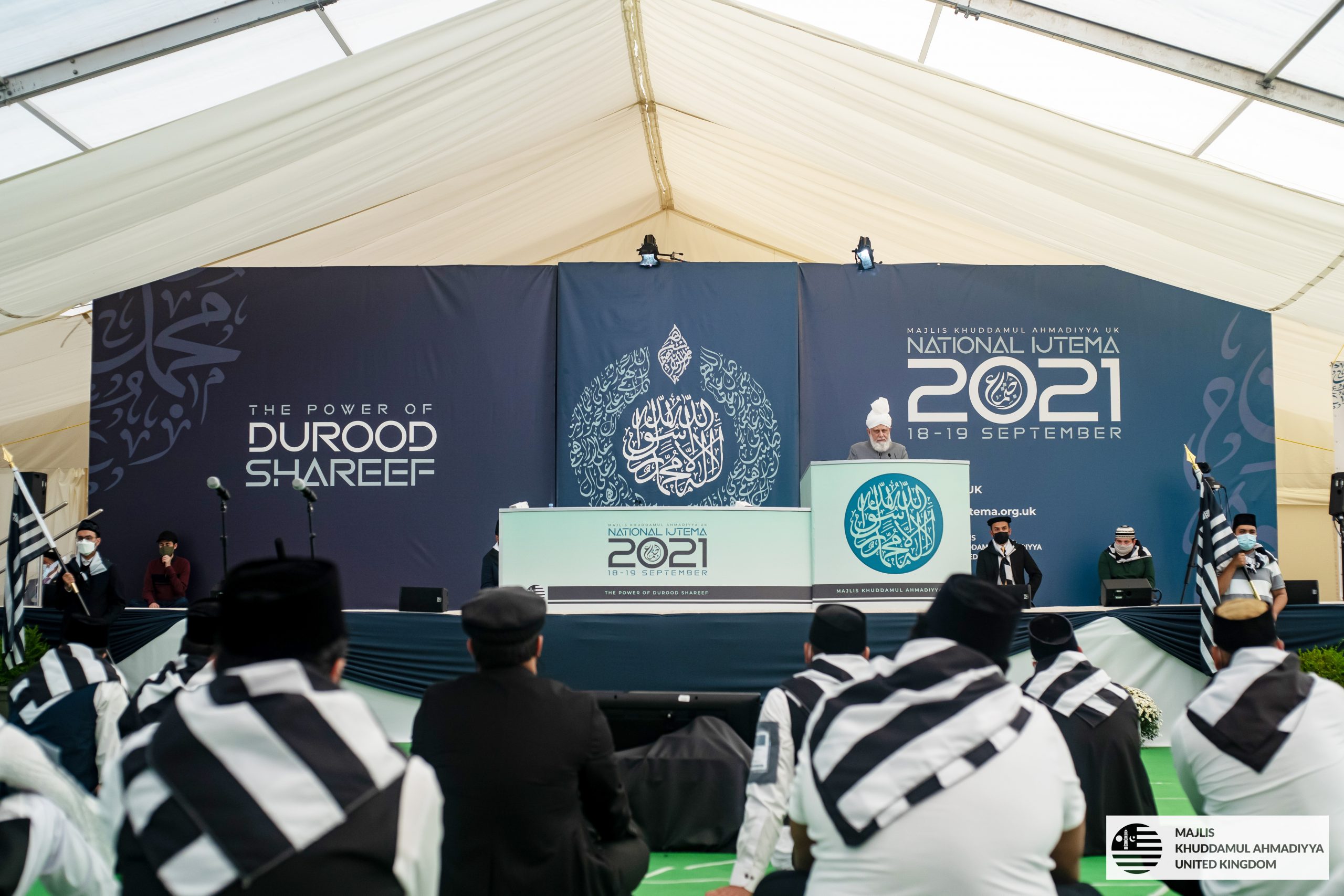
Huzooraba then spoke of the restrictions on Atfal, where only Atfal aged 12 – 15 years were allowed to attend the Ijtema. Huzooraba said “I hope in the future the need for such restrictions will be removed. But it was important for those aged 12 to 15 to attend, as this is a crucial age in terms of one’s religious and moral development. Having attended the various events, and programmes held specially to cater for their needs, I hope the Atfal will now appreciate their true worth and value in the eyes of the Jama’at.”
Huzooraba then stated “Indeed, all Khuddam and Atfal should recognise that they are of great value, and that each Ahmadi is a precious member of the Jama’at of the Promised Messiah (peace be upon him).”
Talking about the importance of the youth, Huzooraba said “It is a fundamental truth that the children and youth of each nation have a great role to play in the progress and well-being of their community.”
To elaborate, Huzooraba quoted the second Khalifah—Hazrat Mirza Bashiruddin Mahmood Ahmadra—to explain the purpose of the Ansar, Lajna and Khuddam auxiliary organisations. Huzooraba said “If there is any weakness, laziness, or deficiency amongst the central Jama’at administration, or within a particular auxiliary body, the other bodies are there to bridge the gap and to take up the mantle, to ensure that the highest spiritual objectives of our community are fulfilled, and that the community of the Promised Messiah (peace be upon him) continues to march forward.”
“So, every member of the Jama’at, irrespective of whether they are an officer bearer or the members, should always reflect upon the fact that they have a personal responsibility to the mission of the Promised Messiahas”.
Addressing Khuddam, Huzooraba went on to say that “If the members of Khuddam display the highest morals, give priority to their faith, maximise their religious and secular knowledge—and above all, are those who act upon the commandments of the Holy Quran, the Holy Prophet (peace and blessings be upon him) and are fully obedient to the Khalifah of the time, then the rate of progress of your Jama’at will increase manifold.”
Huzooraba then explored the importance of the responsibilities of the older Khuddam, particularly focussing on the influence they have on the younger generations. “Do not think that your behaviour or conduct is something that does not impact others. Rather, the next generation is looking directly towards you. And so do not let them down. Always remember, that if you do not pay close attention to discharging your duties to Allah the Almighty, and to one another, and do not seek to elevate your religious, spiritual, and intellectual standards, then you will not only be harming yourself, but also those who follow in your footsteps. You will be setting a harmful example for the next generation. And so, if they go astray, you will be held responsible”.
Summarising the importance of this point, Huzoor said “Just as the sun rises without fail each morning, our each and every day should give rise to glad tidings of the spiritual progress and advancement of the members of the Jama’at.”
Referring to the banner and official slogan of Majlis Khuddamul Ahmadiyya ‘A nation cannot be reformed without the reformation of its youth’, Huzoor said “View these words as a personal challenge to live up to […] you must strive to attain the highest moral and spiritual standards and to be a true asset for your nation and community. Otherwise, just to repeat these words without any action is utterly meaningless.”
Then addressing the younger members of the audience, Huzooraba reminded them of the example of early Islam, where “Very young men, aged 18, or 19 not only took part in the major battles of that time, but were given the rank of commanders. They acted with outstanding courage and manifested the highest levels of faith. So do not underestimate your abilities or think that you can focus upon your faith and religion at a later time in your life. Rather, even as teenagers and young adults, you should understand your value and importance.”
Offering practical examples for spiritual progression, Huzooraba said “You must be regular in offering the five daily prayers and do not speedily offer them without your attention. Rather, your prayers should be offered carefully with proper concentration, and with the true love of Allah embedded within your heart. Use that time of prayer to build your relationship with Allah. And do not just pray for yourself or your family, but also pray for your faith, for the Jama’at, and nation. Additionally, all Khuddam and Atfal should do Tilawat daily, even if it is just a few Rukus. You should try to understand the meaning of the Quran so that you can learn the best morals and know what Allah desires from you.”
Most importantly, Huzooraba singled out the quality of being truthful. “As you leave this Ijtema today, you should do so with the firm and sincere intention to always speak the truth, and to act with honesty at all times, and under all circumstances […] all Khuddam should understand that speaking the truth and acting with integrity is the means of gaining the nearness of Allah, whilst falsehood is equivalent to shirk — that is associating partner with God.”
“Those who purposely lie or deceive are no different to the idol worshipers who make falsehood their god, and who think that they will benefit from lying whilst fearing they will suffer if they adhere to the truth.”
Continuing on the qualities Khuddam should inculcate, Huzooraba said “Another very important quality and virtue that you should all develop is to become compassionate, loving, and considerate of others. Seek to establish the ties of mutual love, brotherhood and harmony. For a nation or community to be strong, it requires people to be united and to care for one another, and to share in each other’s joys and sorrows.”
Lastly, Huzoor addressed those Khuddam who are students or in higher education. “All students, whatever their age or level, should work diligently and seek to achieve the best possible results. And as you progress to adulthood, you should strive to reach the apex of your chosen profession.” Referring to the observation in the Jama’at that generally, girls are excelling more than boys in education, Huzoor said “I lay down the challenge to the members of Majlis Khuddamul Ahmadiyya to strive to redress this imbalance, and to endeavour to achieve the very best results in your academic career.”
Stating that it was God’s promise to the Promised Messiah (peace be upon him) that members of his community will excel in gaining knowledge and understanding, Huzoor encouraged Khuddam to strive to be one of those who manifest this promise.
Beloved Huzoor concluded his address with the prayer that “May Allah the Almighty grant all of you the humility to truly comprehend your immense responsibilities and to fulfil your obligations as members of Khuddamul Ahmadiyya. May you fulfil the rights to Allah the Almighty, and to His creation, and be those who illuminate the name of our Jama’at in the world, and play a distinguished role fulfilling the mission of the Promised Messiah (peace be upon him). It is my sincere and ardent prayer that you are successful in this. May Allah the Almighty continue to bless Majlis Khuddamul Ahmadiyya in all respects. Ameen.”







Editorial
Conditions of Bai’at: Condition 4, cause no harm
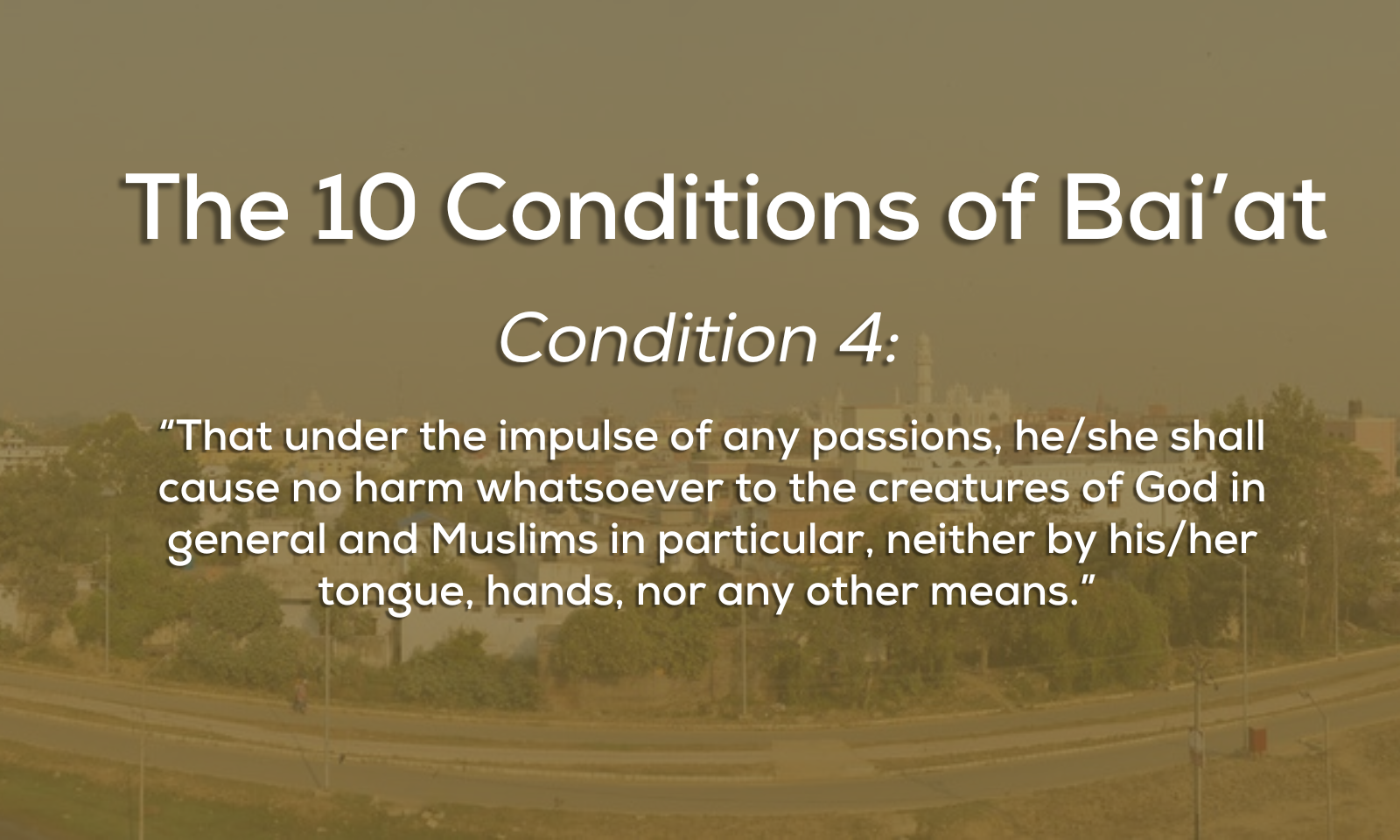
“That under the impulse of any passions, he/she shall cause no harm whatsoever to the creatures of God in general and Muslims in particular, neither by his/her tongue, hands, nor any other means.”
Hazrat Khalifatul Masih Vaba recently instructed at Qadian Jalsa 2025 that the Ten Conditions of Bai‘at should be hung up in our homes and that we should strive to abide by them strictly. All of these conditions should become a part of our daily principles and not just a mere customary recitation of words.
When every member of the Jama’at follows these rules, order and peace is established and people are prevented from being harmed, whether it be physically or verbally. When emotions arise, others feelings are sometimes disregarded. When disagreements occur we may feel our self respect has been challenged.
This condition addresses a reality of human nature: passion, anger, jealousy, and pride can all push a person towards harming others. Islam does not deny these impulses exist; rather, it teaches us how to control them. The condition makes it clear that harm is prohibited in every form, physical harm, verbal harm, emotional harm, and even indirect harm, whether done by the hand, the tongue, or any other means. This applies to all of Allah’s creation, and even more strictly to Muslims.
Allah the Almighty commands restraint and moral excellence in clear terms:
الَّذِیۡنَ یُنۡفِقُوۡنَ فِی السَّرَّآءِ وَالضَّرَّآءِ وَالۡکٰظِمِیۡنَ الۡغَیۡظَ وَالۡعَافِیۡنَ عَنِ النَّاسِ ؕ وَاللّٰہُ یُحِبُّ الۡمُحۡسِنِیۡنَ ﴿۱۳۵
“Those who spend (in the way of God) in ease and in hardship, who restrain their anger, and who pardon people and Allah loves those who do good.”
—(Holy Qur’an, Surah Al-e-Imran, 3:135)
This verse sets a high moral standard. True righteousness is not shown only when things are easy, but also when one is angry or wronged. Suppressing anger, forgiving others, and doing good are not weaknesses; Allah declares that He loves those who act in this way.
The practical power of this teaching is illustrated through an incident of Hazrat Imam Husainra. When a servant accidentally caused him harm, the servant recited successive parts of this verse. Hazrat Husainra first suppressed his anger, then forgave the servant, and finally granted him freedom when reminded that Allah loves those who do good. This incident shows that Qur’anic morals are not theoretical ideals, but principles meant to be acted upon immediately, even in moments of personal irritation.
Islam does not teach emotional suppression, nor does it endorse unrestrained anger. The Promised Messiahas explained that forgiveness is a moral quality only when it reforms and prevents further harm. Where forgiveness enables injustice, wisdom demands restraint and justice. The goal is never retaliation, but moral balance — the ability to respond without becoming a source of harm.
The Holy Prophet Muhammadsa captured the essence of this balance when he pointed to his chest and declared that taqwa lies within the heart. True righteousness is internal before it is external. It manifests in controlled speech, restrained action, and the refusal to let anger dictate behaviour. A believer does not insult, humiliate, or harm others simply because emotions feel justified.
One of the most common ways this condition is violated is through jealousy. The Promised Messiahas warned that jealousy destroys sincerity and breeds hostility. It turns brothers into rivals and service into competition. When jealousy enters religious spaces, it ruins trust and breaks unity. For a Khadim, harming another through words, attitudes, or online conduct is not a minor lapse, it is a failure to uphold Bai‘at.
Hazrat Abu Dhar al-Ghifarira acted upon the instruction of the Holy Prophetsa that when anger arises while standing, one should sit, and if anger persists, one should lie down (Musnad Ahmad ibn Hanbal, vol. 5, p. 152). Another hadith teaches that anger comes from Satan, and since fire is extinguished by water, performing ablution helps cool anger (Musnad Ahmad ibn Hanbal, vol. 4, p.226). These teachings turn self-control into a practical discipline, not an abstract ideal.

The Promised Messiahas laid down a clear standard for those who enter his Jama‘at. An Ahmadi must safeguard their tongue, hands, and intentions from causing harm. Speech must not wound, actions must not oppress, and reactions must not betray moral restraint. He warned that persistent harshness and cruelty are incompatible with the spirit of Bai‘at and endanger the moral health of the community.
For Khuddam, this condition is tested daily. It governs how disagreements are handled, how criticism is expressed, and how provocation is met. It applies online as much as offline, in private spaces as much as public ones. Choosing restraint over reaction, dignity over dominance, and justice over revenge is not easy — but it is precisely where your character is forged.
To cause no harm is not weakness. It is strength under control. It is courage without cruelty. It is faithfulness strong enough to withstand provocation without surrendering principles. A Khadim who lives this condition does more than fulfil a pledge — he becomes a shield for the Jama‘at, a reflection of Islam, and a man whose strength lies in restraint.
Meekness and humility are repeatedly emphasised. The Promised Messiahas urged believers to replace anger with gentleness, to repent sincerely, and to adopt righteousness in both private and public life. He reminded the Jama‘at that not every wrong requires confrontation, and that forgiveness and overlooking faults are often signs of spiritual strength, not weakness (Malfuzat, vol. 1, pp. 134–135).
In a final and forceful admonition, the Promised Messiahas declared that those who respond to harshness with harshness, or who cannot tolerate abuse without losing moral restraint, fail to meet the standard expected of his Jama‘at. Legal recourse may be permissible, but retaliation in kind is not. He made it clear that persistent failure to act upon this condition distances a person from the true spirit of the Jama‘at (Tabligh-e-Risalat, vol. 6, p. 170)
To refrain from harm is not passive neutrality; it is an active commitment to justice, restraint, forgiveness, and moral courage. It is through living this condition that an Ahmadi becomes a reflection of the teachings of Islam and a true representative of the Jama‘at of the Promised Messiahas.
Editorial
Condition 3 of Bai‘at: Offering Prayers & Durood
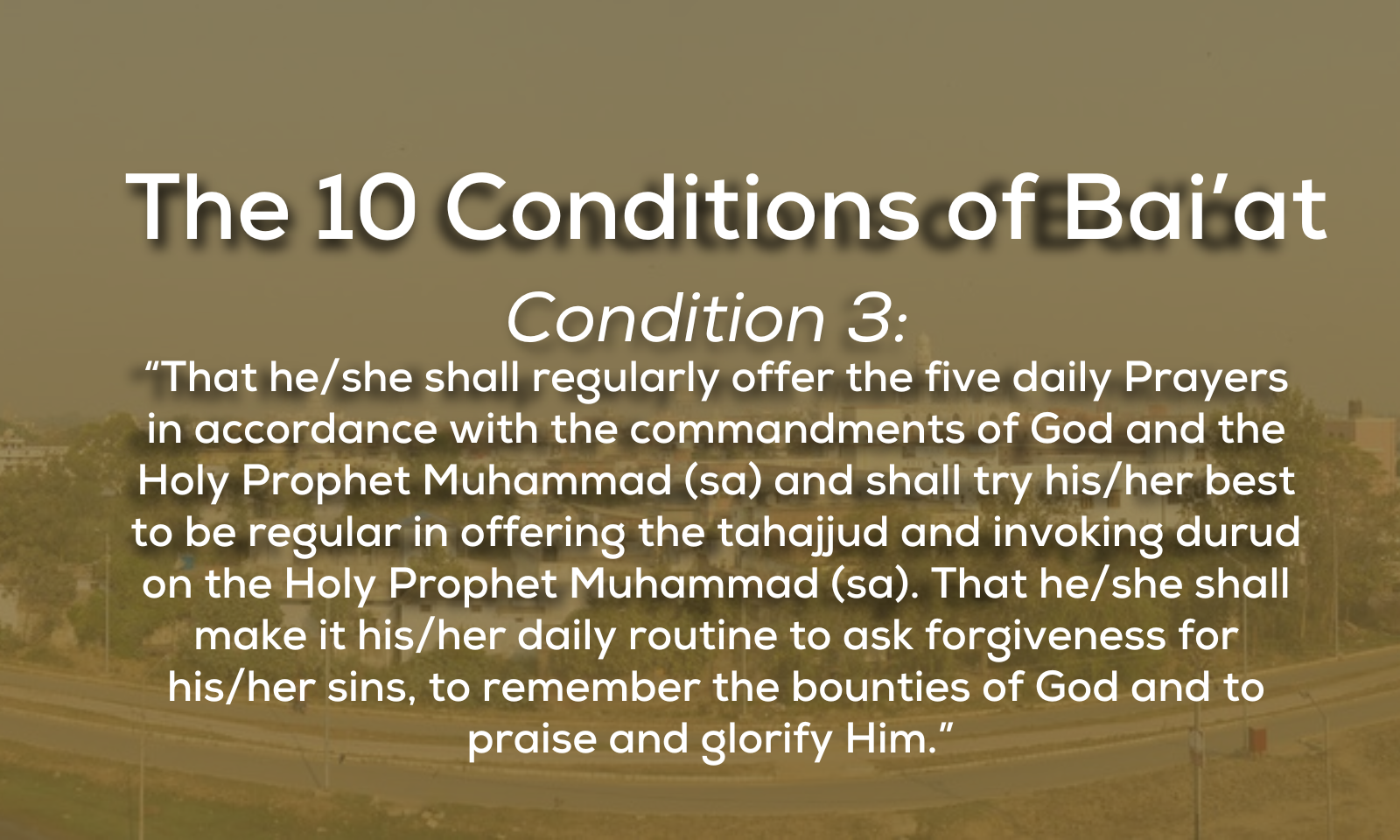
“That he/she shall regularly offer the five daily Prayers in accordance with the commandments of God and the Holy Prophet Muhammadsa and shall try his/her best to be regular in offering the tahajjud and invoking durud on the Holy Prophet Muhammadsa. That he/she shall make it his/her daily routine to ask forgiveness for his/her sins, to remember the bounties of God and to praise and glorify Him.”
Recently, at Jalsa Salana Qadian, Hazrat Khalifatul Masih Vaba instructed that the Ten Conditions of Bai‘at should be hung up in our homes and that we should strive to abide by them strictly. These conditions define what it truly means to be an Ahmadi Muslim, and for Khuddam especially, they guide us to a life of closeness to Allah.
The third condition of Bai‘at brings our focus to Salat. Observing the 5 daily Prayers is not presented as an option. Rather, it is obligatory. Allah commands:
وَاَقِیۡمُوا الصَّلٰوۃَ وَاٰتُوا الزَّکٰوۃَ وَاَطِیۡعُوا الرَّسُوۡلَ لَعَلَّکُمۡ تُرۡحَمُوۡنَ ﴿۵۷﴾
“And observe Prayer and give the Zakat, and obey the Messenger, that you may be shown mercy”
—(Holy Qur’an, Surah al-Nur, 24:57)
Prayer is the daily meeting with Allah that structures a believer’s entire life. Hazrat Khalifatul Masih Vaba reminds us that there is no concession in abandoning Prayer; even in travel or illness. In whatever state we are in, prayer is always necessary.
For Khuddam who are preoccupied in their work, their families or their friends, Salat often takes the back seat. Yet the Holy Prophet Muhammadsa warned that neglecting Prayer draws a person dangerously close to disbelief (Sahih Muslim, Kitab-ul-Iman). He also declared, “The comfort of my eyes is in Salat” (Sunan al-Nasai). This contrast is striking: what many see as a burden was the greatest source of peace for the Holy Prophetsa. The issue is not time, but priority.
The Promised Messiahas repeatedly emphasised that Prayer is the key to all good fortune and that its essence lies in heartfelt supplication, not empty form (Ruhani Khazain, vol. 3, p. 549; vol. 14, p. 241). Prayer without humility and concentration becomes a routine, but Prayer offered as if one stands before Allah transforms the soul. He warned that allegiance without fulfilling these obligations is of no benefit (Malfuzat, vol. 3, p. 627).
This condition also draws attention to tahajjud, the voluntary Prayer offered at night. Allah commands the Holy Prophet(sa),
وَمِنَ الَّیۡلِ فَتَہَجَّدۡ بِہٖ نَافِلَۃً لَّکَ ٭ۖ عَسٰۤی اَنۡ یَّبۡعَثَکَ رَبُّکَ مَقَامًا مَّحۡمُوۡدًا ﴿۸۰﴾
“And offer tahajjud with the recitation of the Qur’an in a part of the night as a supererogatory service for thee”
—(Holy Qur’an, Surah Bani Israil, 17:80).
Tahajjud demands sacrifice, but that sacrifice produces sincerity. The Holy Prophetsa described it as a means of nearness to Allah, protection from sin, and purification of the soul (Sunan al-Tirmidhi). The Promised Messiahas instructed that even two rak‘at, offered consistently, can awaken spiritual pain and devotion, which become the means of acceptance (Malfuzat, vol. 2, p. 182).
Sending durud upon the Holy Prophet Muhammadsa is another central pillar of this condition. Allah declares,
اِنَّ اللّٰہَ وَمَلٰٓئِکَتَہٗ یُصَلُّوۡنَ عَلَی النَّبِیِّ ؕ یٰۤاَیُّہَا الَّذِیۡنَ اٰمَنُوۡا صَلُّوۡا عَلَیۡہِ وَسَلِّمُوۡا تَسۡلِیۡمًا ﴿۵۷﴾
“Allah and His angels send mercy on the Prophet. O ye who believe! You also should invoke blessings on him”
—(Holy Qur’an, Surah al-Ahzab, 33:57)
The Holy Prophetsa promised that invoking blessings upon him brings Allah’s mercy tenfold (Sahih Muslim). The Promised Messiahas explained that no divine grace reaches a person without the intermediation of the Holy Prophetsa, and that abundant durud sets divine grace into motion (Al-Hakam, February 28, 1903).
Istighfar, seeking forgiveness, is described as spiritual strength training. Allah says,
فَقُلۡتُ اسۡتَغۡفِرُوۡا رَبَّکُمۡ ؕ اِنَّہٗ کَانَ غَفَّارًا ﴿ۙ۱۱﴾یُّرۡسِلِ السَّمَآءَ عَلَیۡکُمۡ مِّدۡرَارًا ﴿ۙ۱۲﴾وَّیُمۡدِدۡکُمۡ بِاَمۡوَالٍ وَّبَنِیۡنَ وَیَجۡعَلۡ لَّکُمۡ جَنّٰتٍ وَّیَجۡعَلۡ لَّکُمۡ اَنۡہٰرًا ﴿ؕ۱۳﴾
“Seek forgiveness of your Lord; for He is the Exceedingly Forgiving, He will send down rain for you in abundance, And He will strengthen you with wealth and with children, and He will give you gardens and He will give you rivers.”
—(Holy Qur’an, Surah Nuh, 71:11–13)
The Holy Prophetsa taught that istighfar provides a way out of difficulties and grants provision from unexpected sources (Sunan Abi Dawud). The Promised Messiahas explained that istighfar suppresses the roots of sin and restores the soul to purity and strength (Ruhani Khazain, vol. 12, pp. 346–347).
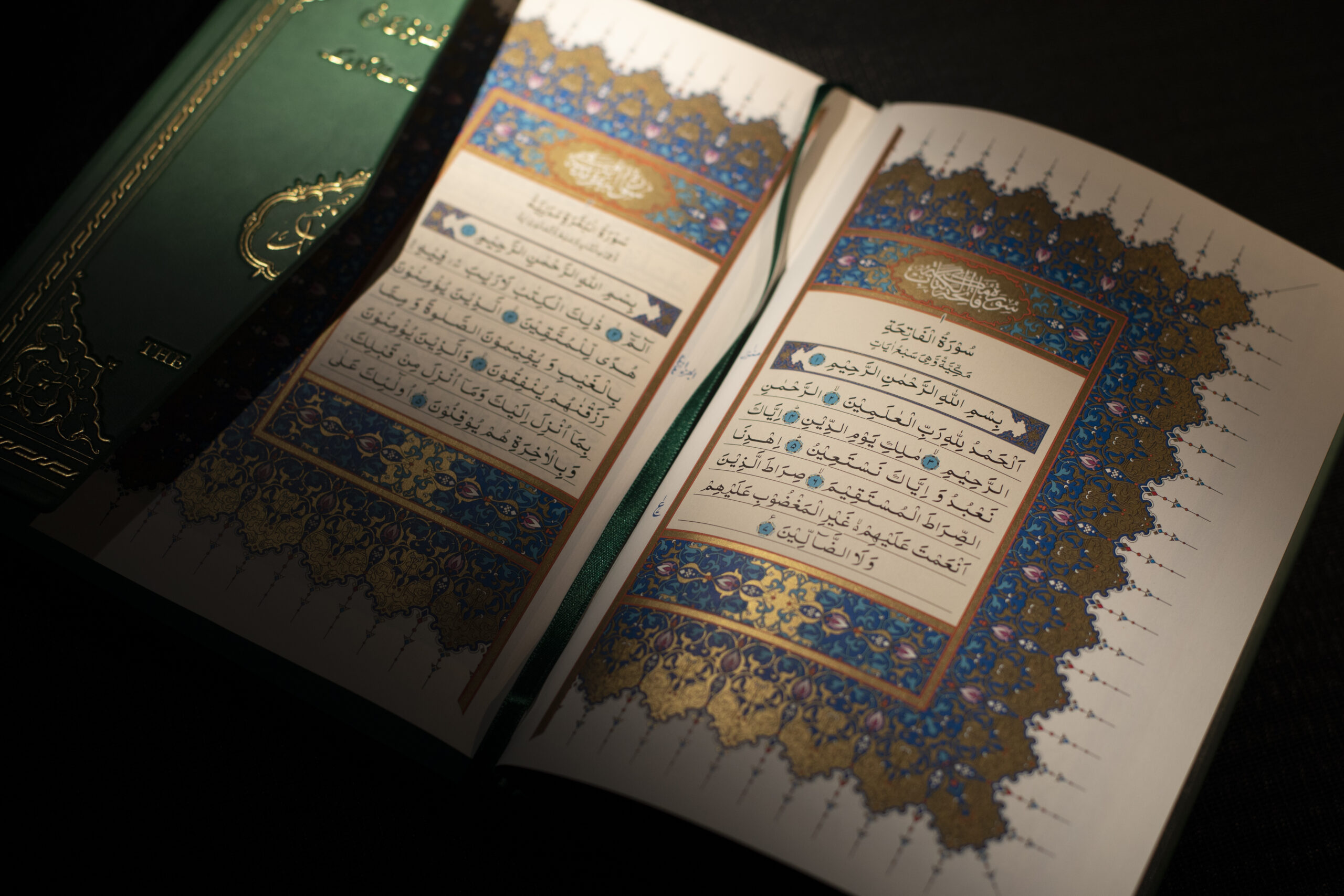
Finally, this condition calls us to gratitude. “All praise belongs to Allah, Lord of all the worlds” (Holy Qur’an, Surah al-Fatihah, 1:2). Gratitude is not words alone; it is recognising Allah as the source of every blessing and living accordingly. The Holy Prophetsa warned that any matter not begun with the praise of Allah remains deficient (Sunan Ibn Majah). The Promised Messiahas taught that true praise belongs only to Allah, as He alone possesses perfection in every attribute (Ruhani Khazain, vol. 15, pp. 598–602).
For Khuddam, this condition serves to draw their attention to the fundamentals of Islam. The five daily Prayers, tahajjud, durud, istighfar, and gratitude help to build a living relationship with Allah. To neglect them is to weaken our Bai‘at; to uphold them is to honour it.
“Taken from Conditions of Bai‘at & Responsibilities of an Ahmadi by Hazrat Khalifatul Masih Vaba.”

Editorial
Condition 2 of Bai‘at
“The second condition of Bai‘at calls for truthfulness, moral restraint, chastity, and self-control, urging believers to live faith through upright conduct and action.”
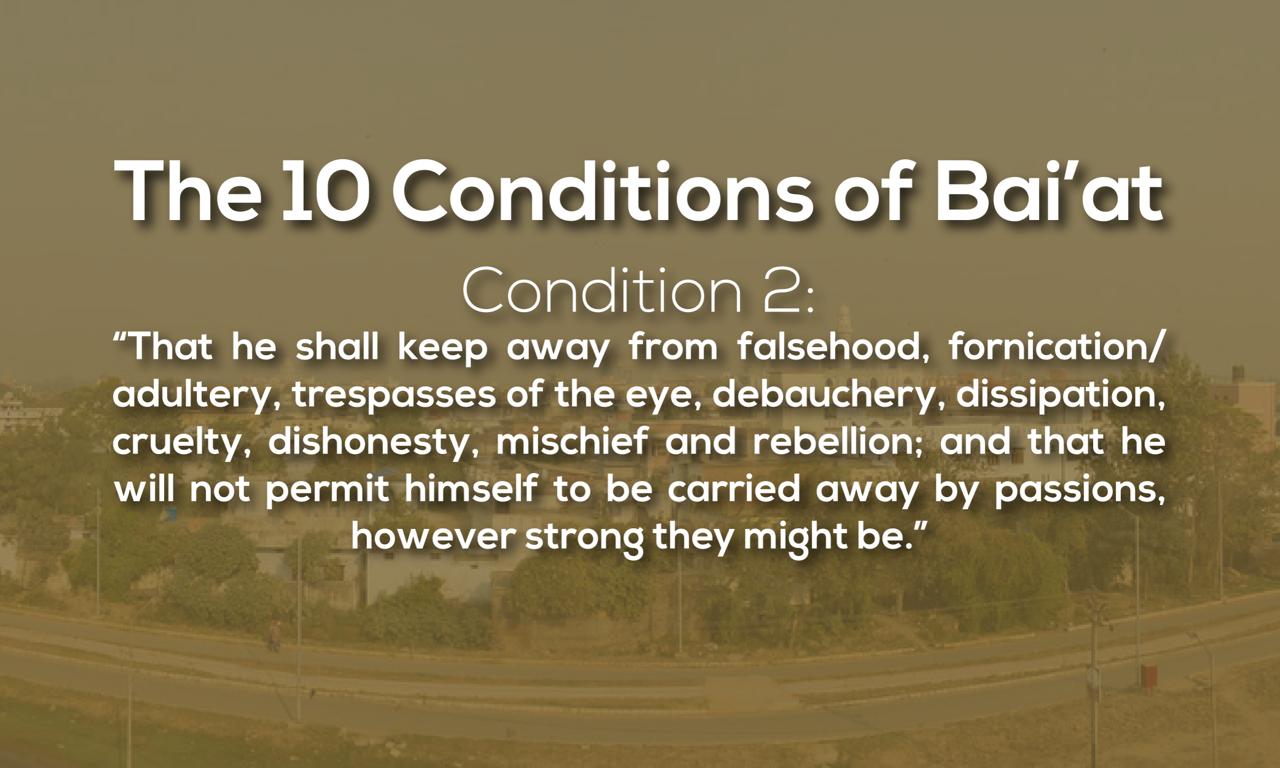
“That he/she shall keep away from falsehood, fornication/adultery, trespasses of the eye, debauchery, dissipation, cruelty, dishonesty, mischief and rebellion; and that he/she will not permit himself/herself to be carried away by passions, however strong they might be.”
At Jalsa Salana Qadian 2025, Hazrat Khalifatul Masih V(aa) instructed that the Ten Conditions of Bai‘at should be hung up in our homes and that we should strive to abide by them. This instruction shows us that we can’t just simply call ourselves Ahmadi Muslims; we have to show it by acting upon the conditions of Bai’at. For Khuddam, the second condition of Bai‘at provides a comprehensive moral framework governing speech, conduct, desire, and social responsibility.
The main focus of this condition is truthfulness. Falsehood is described as the greatest of evils because it is the root from which other sins grow. The Holy Prophetsa once advised a man who was burdened with many weaknesses to abandon falsehood alone, and through this commitment to truthfulness he was gradually freed from all other sins (Sahih Muslim, Kitab-ul-Birr).
This illustrates that truth acts as a moral anchor, ensuring that we don’t fall into other sins.
Allah the Almighty places falsehood alongside idol worship, highlighting its spiritual danger:
ذٰلِکَ ٭ وَمَنۡ یُّعَظِّمۡ حُرُمٰتِ اللّٰہِ فَہُوَ خَیۡرٌ لَّہٗ عِنۡدَ رَبِّہٖ ؕ وَاُحِلَّتۡ لَکُمُ الۡاَنۡعَامُ اِلَّا مَا یُتۡلٰی عَلَیۡکُمۡ فَاجۡتَنِبُوا الرِّجۡسَ مِنَ الۡاَوۡثَانِ وَاجۡتَنِبُوۡا قَوۡلَ الزُّوۡرِ ﴿ۙ۳۱
“That is the commandment. Whoso honours that which is declared sacred by Allah, may be sure that it counts for good with his Lord. Cattle are made lawful for you, except that which has already been announced to you in the Quran. Then shun the abomination of idols, and shun all words of falsehood,”
— (Holy Qur’an, Surah al-Hajj, 22:31)
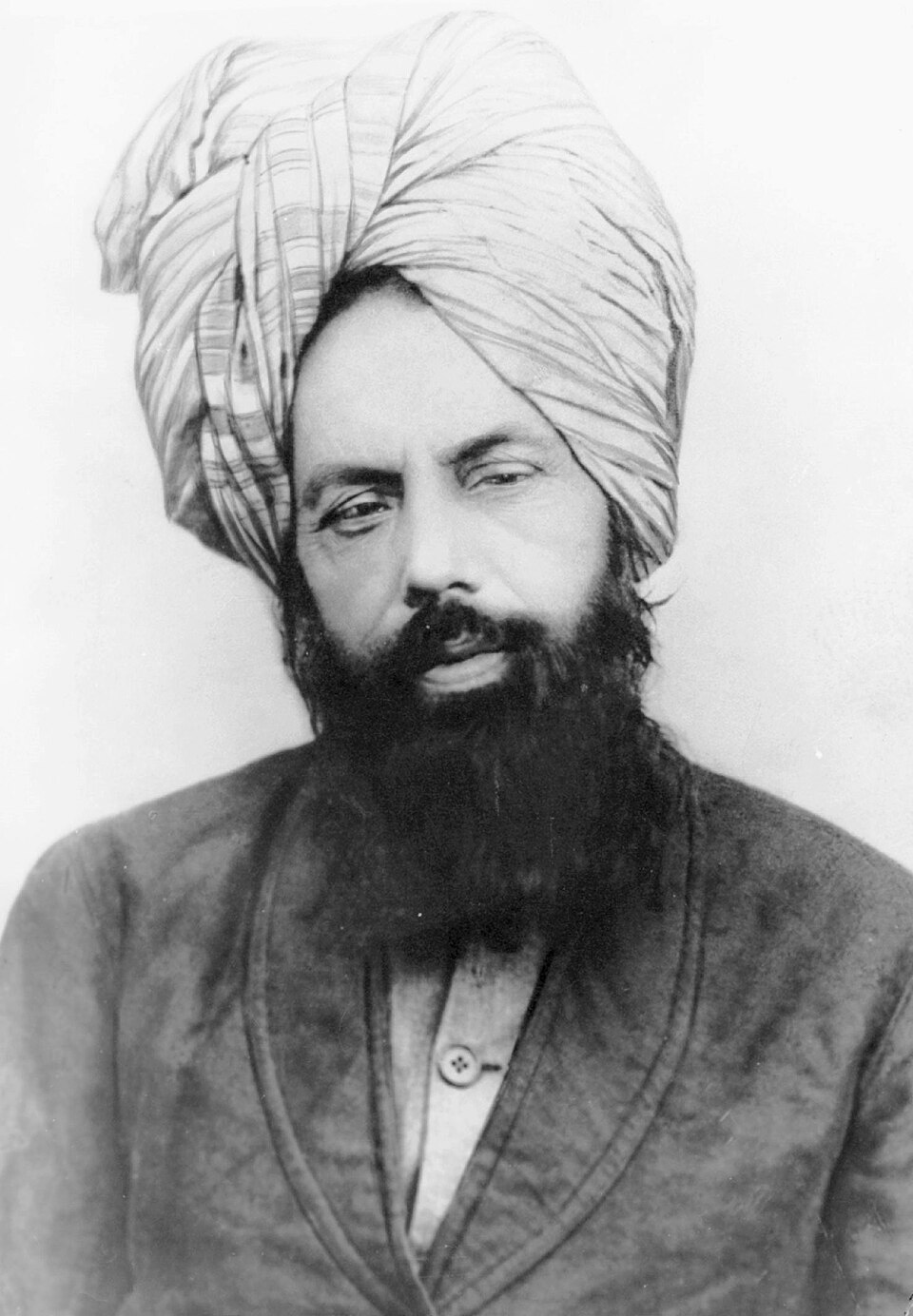
The Promised Messiahas explained that falsehood is like an idol because it has no reality behind it—only artificial polish. A person who becomes accustomed to lying gradually loses credibility, even when he later speaks the truth
— (Malfuzat, vol. 3, p. 350).
The second condition also commands chastity and moral restraint. Allah the Almighty states:
وَلَا تَقۡرَبُوا الزِّنٰۤی اِنَّہٗ کَانَ فَاحِشَۃً ؕ وَسَآءَ سَبِیۡلًا ﴿۳۳
“Do not even approach adultery; surely, it is a foul thing and an evil way.”
—(Holy Qur’an, Surah Bani Isra’il, 17:33)
Islam does not merely forbid the act itself but instructs believers to distance themselves from all paths that lead towards it. This principle is reinforced through guarding the gaze. Allah commands:
قُلۡ لِّلۡمُؤۡمِنِیۡنَ یَغُضُّوۡا مِنۡ اَبۡصَارِہِمۡ وَیَحۡفَظُوۡا فُرُوۡجَہُمۡ ؕ ذٰلِکَ اَزۡکٰی لَہُمۡ
“Say to the believing men that they restrain their eyes and guard their private parts. That is purer for them.”
—(Holy Qur’an, Surah al-Nur, 24:31)
The Holy Prophetsa taught that speaking truth, fulfilling promises, safeguarding trusts, lowering the gaze, protecting chastity, and refraining from cruelty are among the qualities that lead to Paradise (Musnad Ahmad ibn Hanbal, vol. 5, p. 323). Modesty, therefore, is a necessary quality every Khadim must have in order to fulfill the rights of Allah and His creation.
Cruelty, dishonesty, and mischief are also explicitly condemned in this condition. Cruelty includes injustice, abuse of rights, and harming others through words or actions. The Holy Prophet Muhammad(sa) warned that cruelty will appear as darkness on the Day of Judgement (Musnad Ahmad ibn Hanbal, vol. 3, p. 323). Dishonesty in dealings corrodes both faith and society, while mischief and discord destroy unity. Allah the Almighty declares:
وَلَا تَبْغِ الْفَسَادَ فِي الْاَرْضِ ۖ اِنَّ اللّٰهَ لَا يُحِبُّ الْمُفْسِدِيْنَ
“And seek not to make mischief in the earth; surely, Allah loves not those who make mischief.”
—(Holy Qur’an, Surah al-Qasas, 28:78)
The condition further warns against rebellion and being carried away by passion. The Promised Messiah(as) described unrestrained carnal desire as a devastating flood that cannot be resisted without the mercy of Allah (Barahin-e-Ahmadiyyah, vol. 5). Even Hazrat Yusufas) who was a role model of modesty, acknowledged human weakness, recognising that protection from such passions lies only in divine mercy.
(Holy Qur’an, Surah Yusuf, 12:54).
For Khuddam, this condition is deeply practical. It demands we always speak the truth, guard our eyes, be sincere in all our work, show patience and restraint in desire, and stay far away from rebellion. The Promised Messiahas envisioned a Jama‘at recognised by gentleness, moral excellence, and sympathy for mankind, serving as a living model of righteousness for the world
(Tabligh-e-Risalat, vol. 7, pp. 42–44).
If these words are displayed in our homes but not reflected in our lives, their purpose is lost. This condition calls for constant self-accountability, sincere prayer, and unwavering effort. By striving to live by these words, Khuddam don’t just refrain from sin; they start to show the qualities that define a true Ahmadi.
Taken from Conditions of Bai‘at & Responsibilities of an Ahmadi by Hazrat Khalifatul Masih Vaba.

Get the Tariq Magazine through your letterbox each month.

A Spiritual and Moral Training

The Holy Quran – A Casket Of Jewels


