News
A Fresh Start: Serving God and Community in the New Year
Begin the new year with Tahajjud, turn prayer into action, and serve your community through the New Year Clean-Up with sincerity and purpose.
The Holy Qur’an states:
اِنَّ اللّٰہَ یُحِبُّ التَّوَّابِیۡنَ وَیُحِبُّ الۡمُتَطَہِّرِیۡنَ ﴿۲۲۳
“Surely, Allah loves those who turn to Him and loves those who keep themselves clean.”
— Surah Al-Baqarah 2:223
As one year ended and another began, the world welcomed 2025 with celebrations, fireworks, and fleeting resolutions. Yet for many, the new year began differently — with service, discipline, and faith. Instead of idle promises, Khuddam and Atfal of the Ahmadiyya Muslim Community took to the streets, giving their neighbourhoods a fresh start.
Their actions served as a reminder that faith is not merely spoken, but lived — and that service to humanity is a reflection of devotion to Allah.
Cleanliness in Islam is not simply about appearance; it is an expression of faith and care for society. The Holy Prophetsa said:
“Removing harmful things from the road is charity.”
— Sahih Bukhari 2989, Sahih Muslim 1009
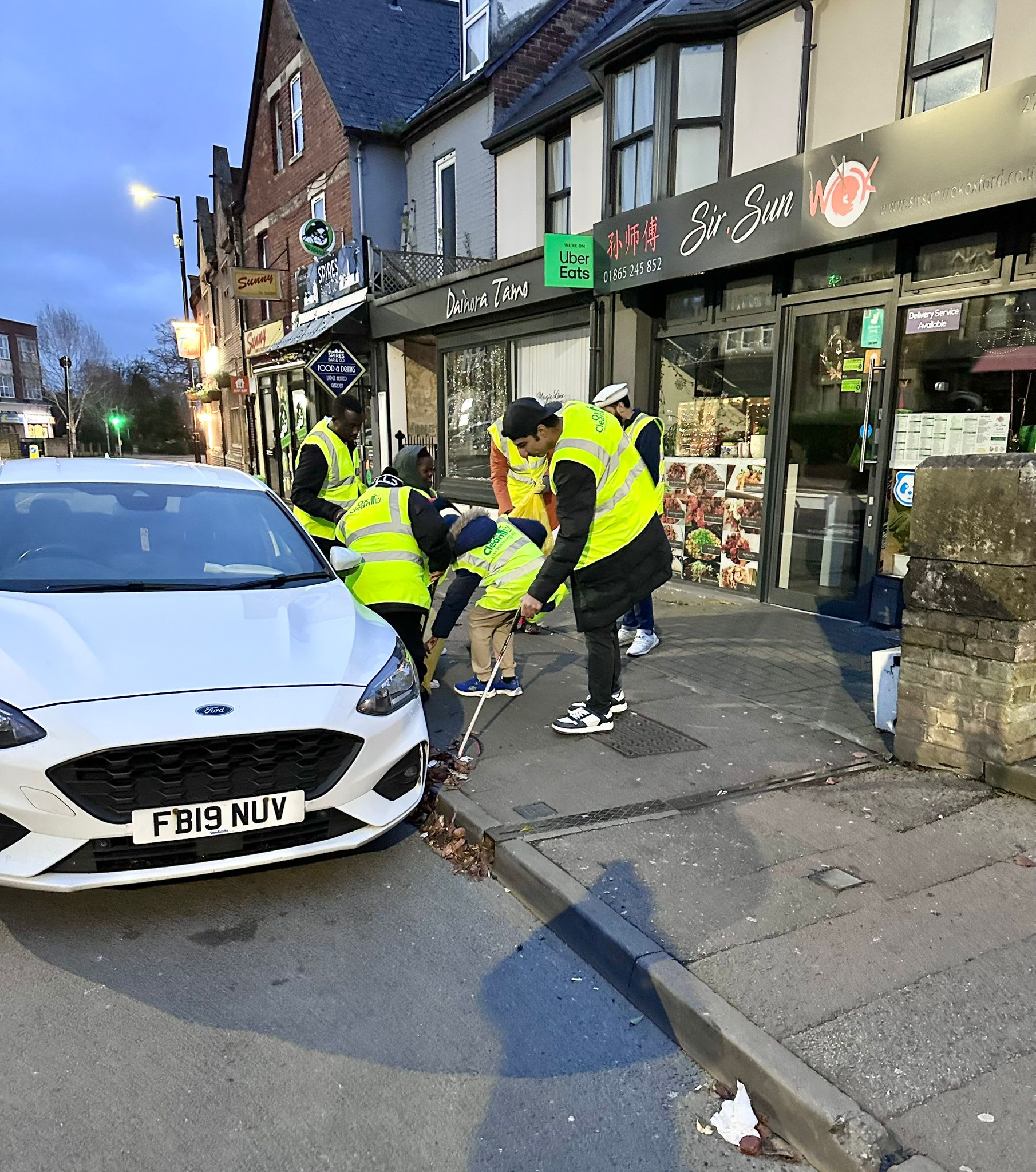
Every piece of litter collected and every street restored became an act of charity — a practical demonstration of spiritual values. The Promised Messiahas reminded his followers:
“Each day, every person should analyse himself and see to what extent he is concerned for the wellbeing of others and to what extent he shows love and compassion to his brothers.”
From the crack of dawn, volunteers swept, cleaned, and collected litter — displaying devotion not only in words, but through visible action that benefitted the wider community. Streets in Bordon, Oxford, Epsom, Stevenage, Luton, Watford, and many other towns across the UK were transformed by the energy and dedication of young volunteers.
Across the country, 1,828 volunteers dedicated 2,758 man-hours, collecting 493 bin bags of litter from 83 locations — a clear indication of both scale and commitment.
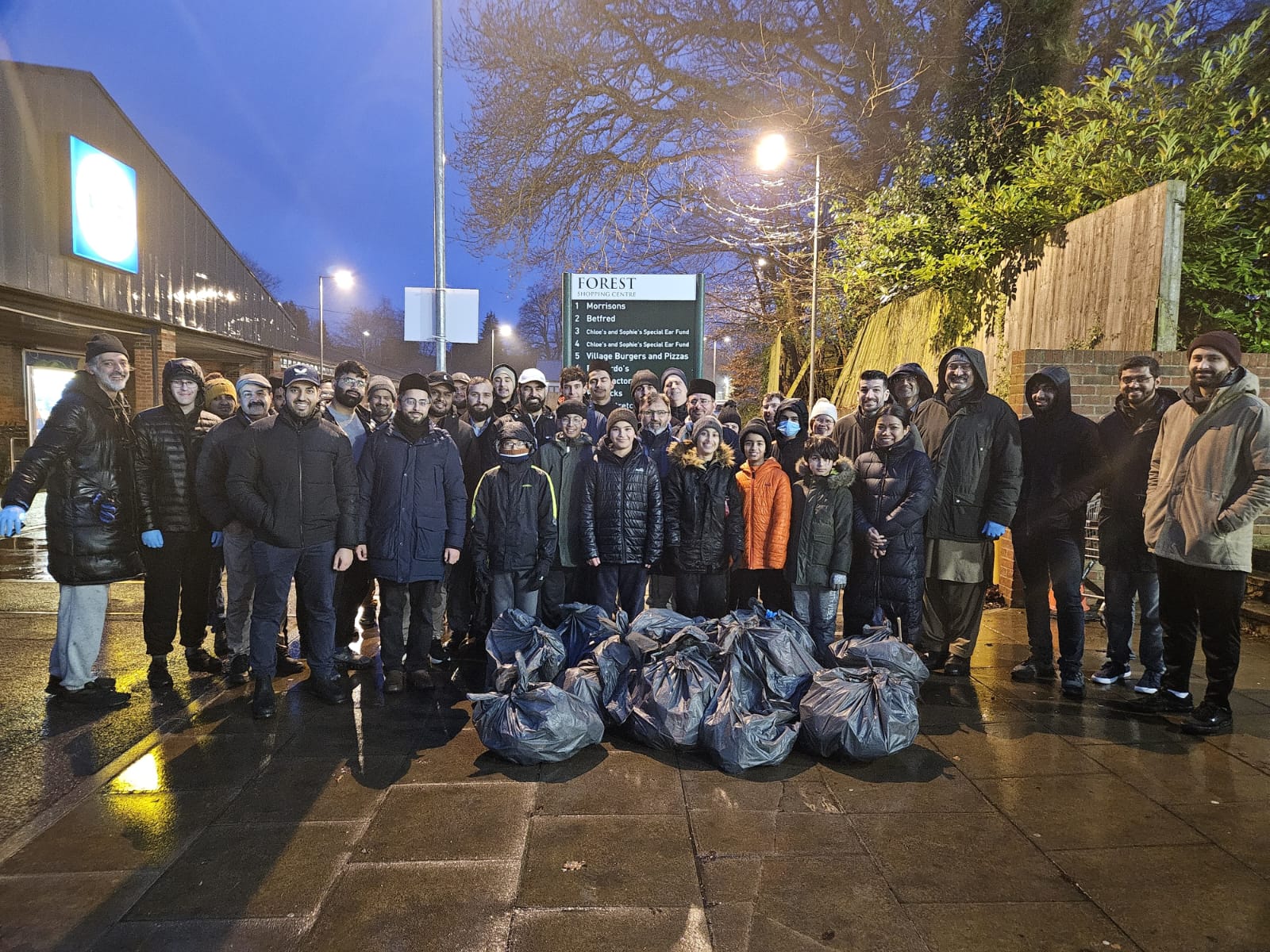
Abdul Quddus Arif Sahib, National President of MKA UK (2018–2025), explained the purpose behind the initiative while speaking to The Independent:
“The New Year Street Clean-Up is just one example of the initiatives the Ahmadiyya Muslim Youth Association has been organising for over a decade to serve the community and country we proudly call home. From street clean-ups to various charitable efforts, our youth are committed to giving back.”
The effort received widespread recognition across national and local media, reflecting both its reach and impact.
The Independent reported:
“Members of the Ahmadiyya Muslim community collected hundreds of bags of litter in towns and cities across the UK as part of an annual New Year clean-up, with more than 1,700 people taking part in the initiative across major cities including London, Glasgow, Liverpool and Manchester.”
ITV News Meridian highlighted:
“Volunteers were out early on New Year’s Day with litter-pickers and bin bags, helping to tidy up neighbourhoods and showing community spirit in action after the night’s celebrations.”
Epsom & Ewell Times observed:
“As the first light of the new year stretched across the horizon, volunteers worked together to breathe new life into their community, with litter cleared from the streets and passers-by stopping to thank them and wish them a happy new year.”
The Comet (Stevenage) stated:
“Young Muslims in Stevenage kicked off 2025 by cleaning up the town’s streets, continuing a New Year tradition focused on community care and civic responsibility.”
Luton Today reported:
“Volunteers in Luton began the new year by cleaning Britain’s streets, helping to restore public spaces and start 2025 with a positive contribution to the local community.”
Watford Observer noted:
“Young Muslims were seen cleaning Watford’s streets on New Year’s Day, continuing an annual effort to improve local areas and give back to the wider community.”
A regional roundup by Khuddam.org.uk added:
“Across the Middlesex region, volunteers marked the start of 2025 with community service, clearing litter from multiple town centres and leaving local areas visibly cleaner after the festive period.”
In Doncaster, Bilal Mahmood, Sadr Jama’at Doncaster, shared with the Doncaster Free Press:
“Starting the new year with prayer and service reflects our values as a community.”
He added:
“It is with this spirit that we begin the new year, as a reaffirmation of our commitment to both worship and selfless service. By fostering goodwill and positivity, we seek to make meaningful contributions to society. Our heartfelt prayers are for a world blessed with lasting peace, universal justice, and shared prosperity.”
The spiritual benefits of such service are clear. The Promised Messiah(as) taught that service to mankind is inseparable from service to Allah:
“The principle to which we adhere is that we have kindness at heart for the whole of mankind.”
By giving their time and energy, Khuddam and Atfal not only improved physical spaces but also strengthened character. The Holy Prophet(sa) said:
“The best among you are those who have the best manners and character.”
— Sahih Bukhari 3559
When young people take responsibility for their communities, faith becomes something practical. The New Year Clean-Up demonstrated that simple actions, carried out with sincerity, can have a lasting impact.
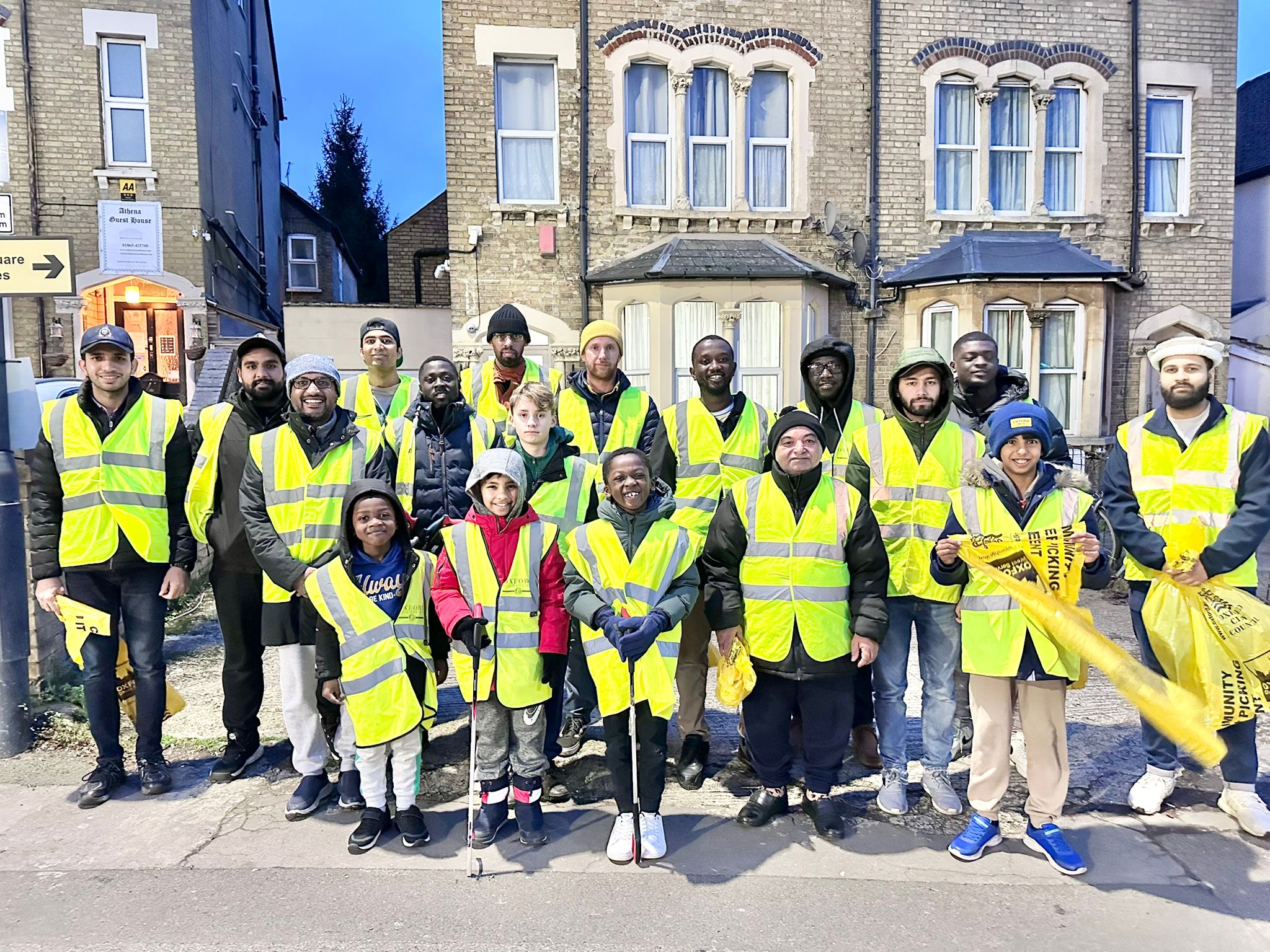
This initiative shows that making a difference does not require special resources or long preparation — only willingness. By giving a few hours of their time, Khuddam and Atfal improved public spaces and represented the values of Islam through action.
The New Year’s Clean-Up of 2025 was not just a routine activity, but a clear example of youth stepping forward with purpose. As the year begins, it stands as a reminder that serving others is both a responsibility and a means of strengthening society and faith.
A guide for the New Year
- Begin the new year with Tahajjud at your local mosque
- Turn prayer into action by serving your community
- Give a few hours to the New Year Clean-Up
- Make a real difference through simple, sincere service
May Allah enable you all to do so, Ameen.




News
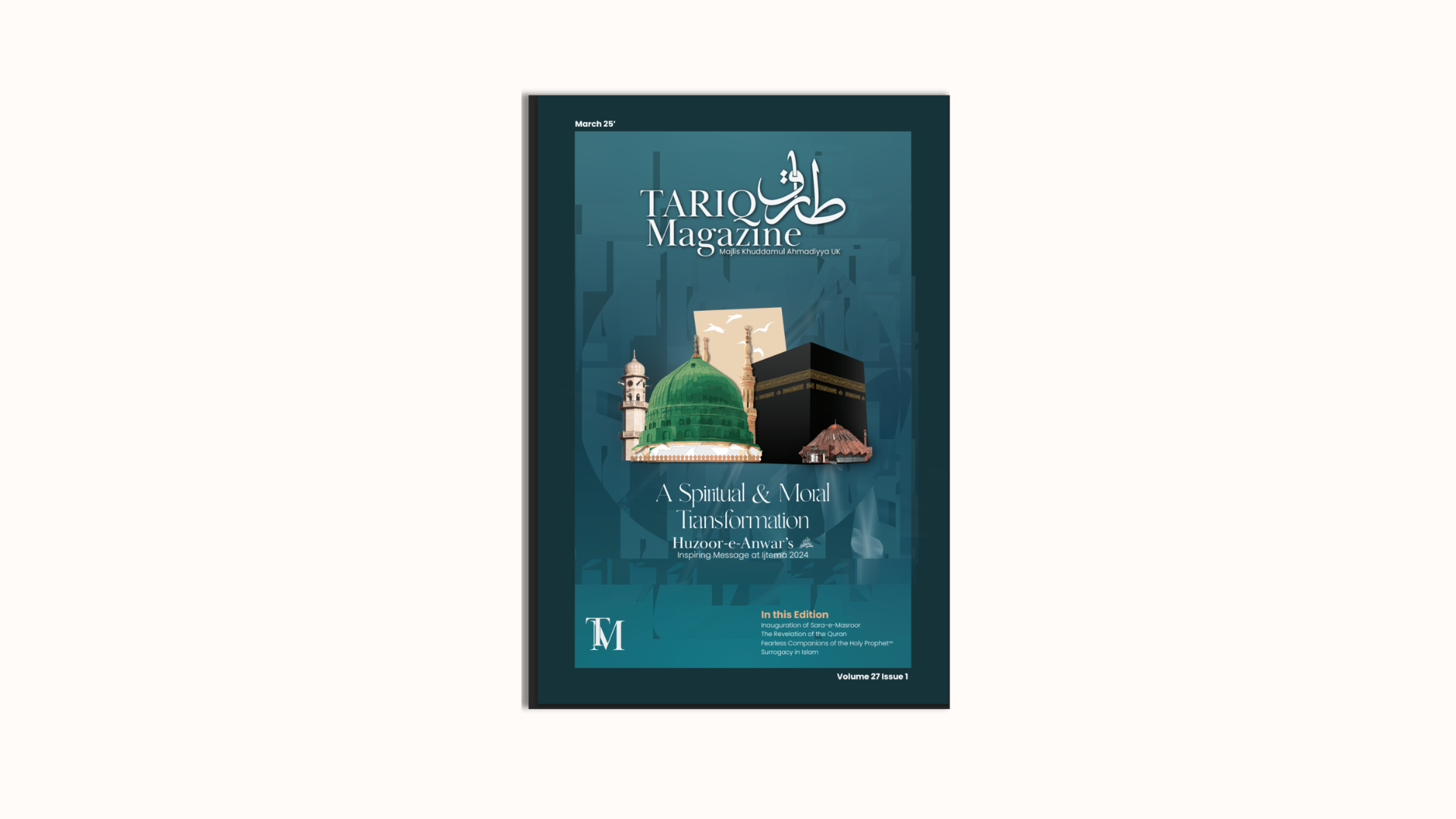
A Spiritual and Moral Training
News
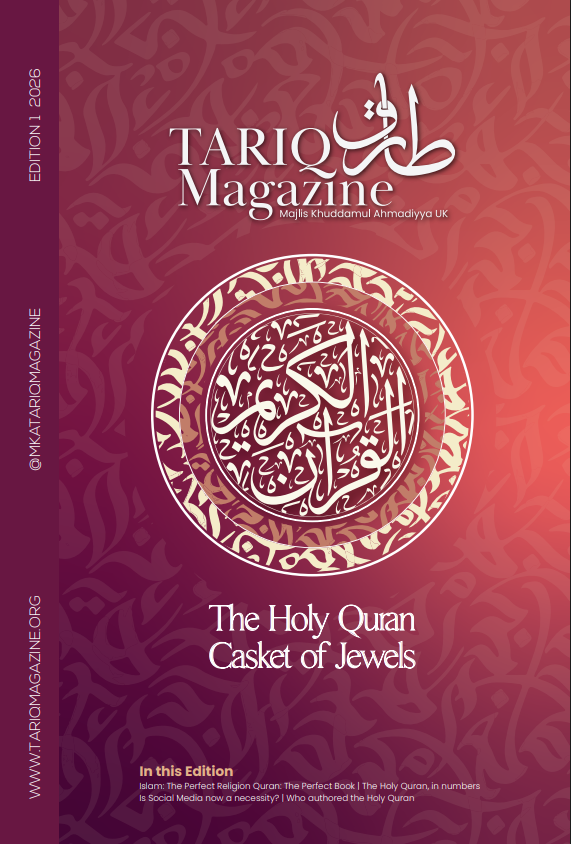
The Holy Quran – A Casket Of Jewels
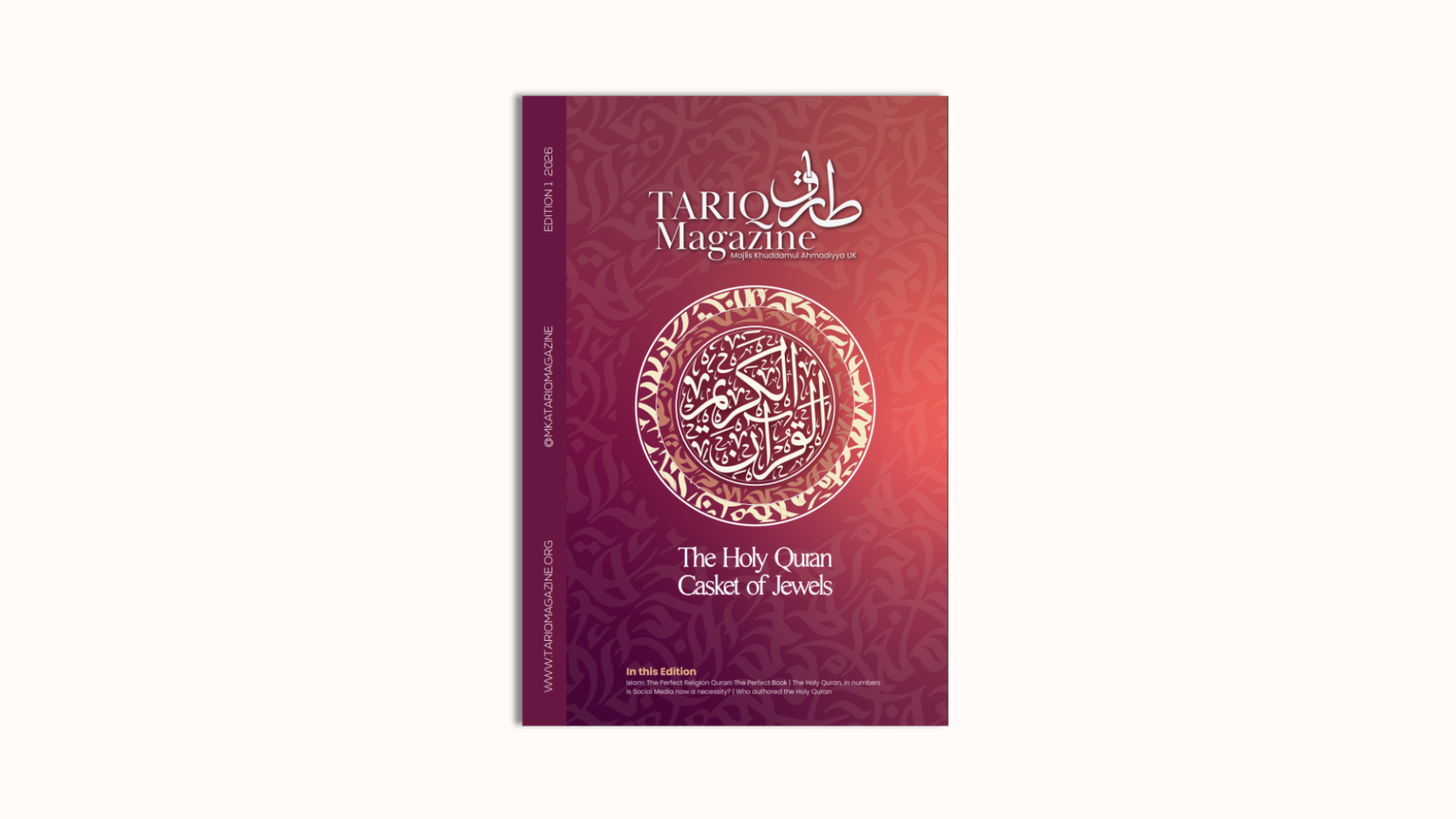
Continue Reading
To read the rest of this article, subscribe to Tariq Magazine’s new and upcoming edition.
News
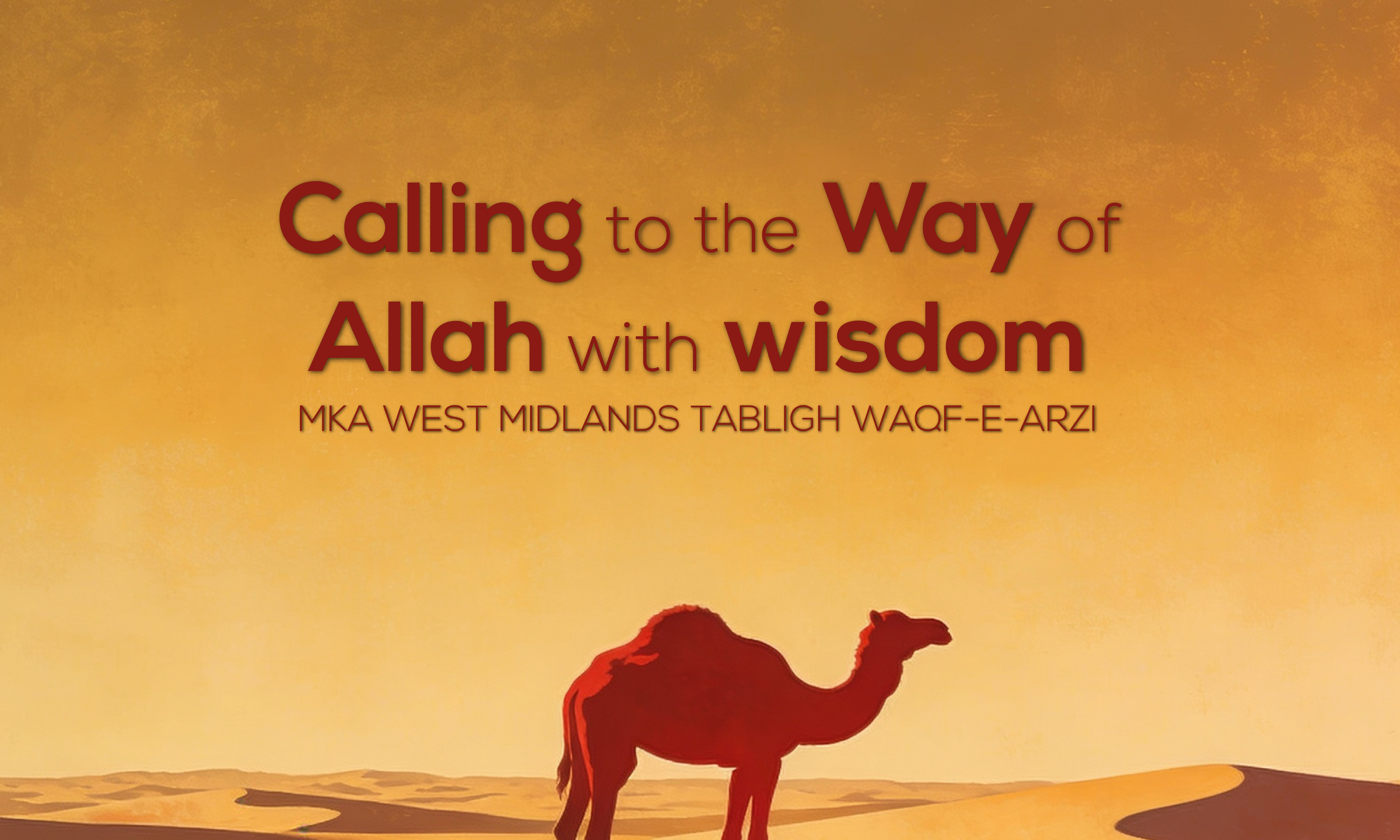
Calling to the Way of Allah with wisdom – MKA West Midlands Tabligh Waqf-e-Arzi
An inspiring overview of Waqf-e-Arzi and Tabligh, and a report on Khuddamul Ahmadiyya West Midlands’ 2025 activities.
The Holy Qur’an states:
اُدۡعُ اِلٰی سَبِیۡلِ رَبِّکَ بِالۡحِکۡمَۃِ وَالۡمَوۡعِظَۃِ الۡحَسَنَۃِ وَجَادِلۡہُمۡ بِالَّتِیۡ ہِیَ اَحۡسَنُ ﴿﴾
“Call unto the way of thy Lord with wisdom and goodly exhortation, and argue with them in a way that is best.” (The Holy Qur’an, 16:126)
If you were alive during the battles fought in the time of the Holy Prophet (sa), would you have taken up the sword? Would you have stood in front of danger to protect the Messenger of Allah (sa) and sacrifice yourself for Islam? For many of us, this thought ignites the heart. Yet due to Allah’s wisdom, we are in a different era, one where the battlefield has changed, but the duty remains.
Our beloved Prophet (sa) emphasised the need and the reward included in continuing this strive to spread Islam, for he (sa) said:
“If even one soul is guided through you, it is better for you than red camels.”
‘Red camels’ were considered the most precious wealth in the time of the Holy Prophet (sa) so the Hadith signifies the immense value of guiding someone to the truth.
Today, Islam is not attacked with armies, but with words. It is defamed through false allegations, distortions, and deliberate misunderstandings, aimed not only at the Holy Prophet (sa), but even at Allah Himself. The Promised Messiah (as) announced that
‘the jihad of the sword has ended, and that the jihad of the pen now remains.’
(Malfuzat Vol 7, Page 354)
This is the struggle of our time, and it demands effort, sacrifice, and courage of a different kind.
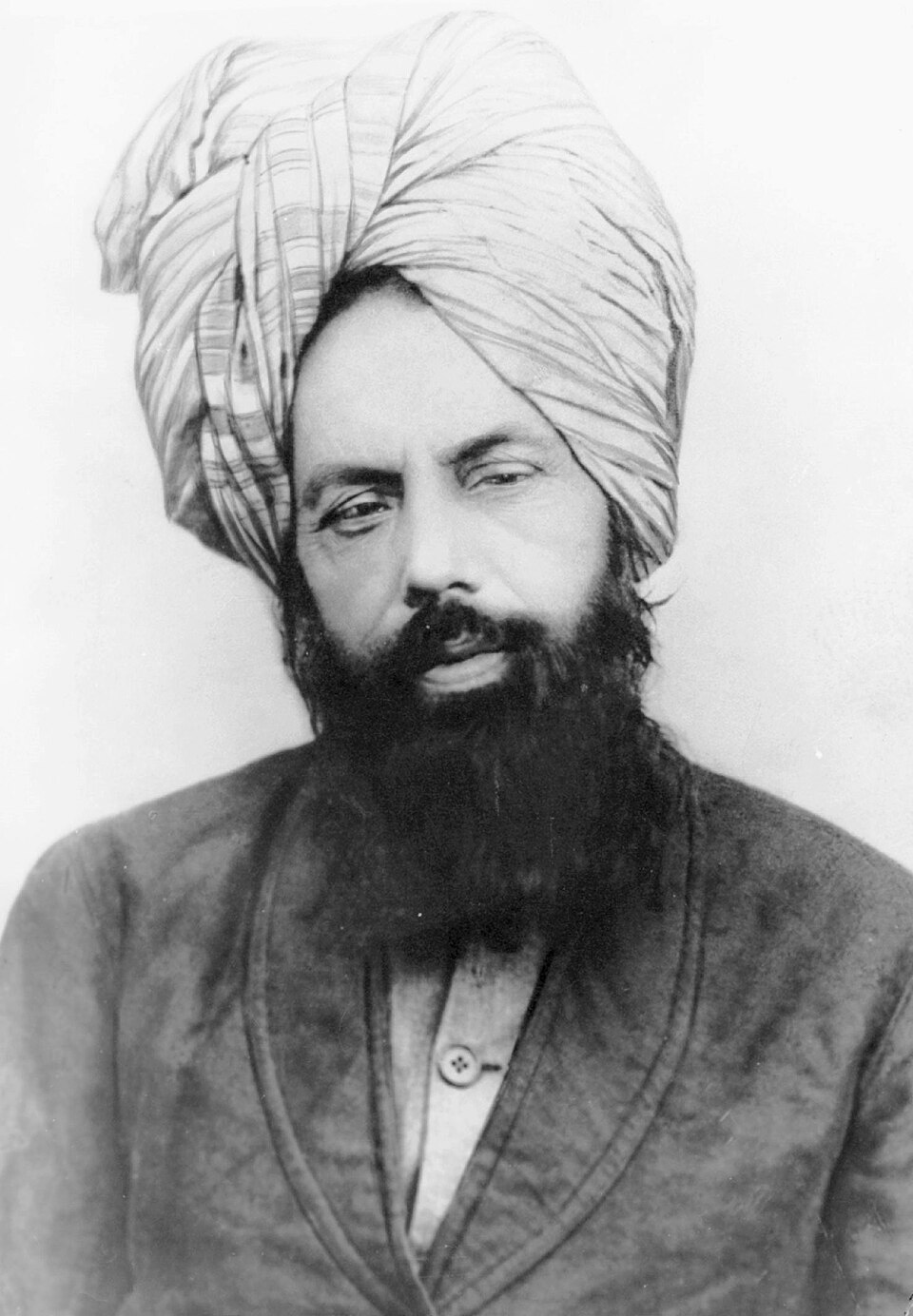
The Promised Messiah (as) lived entirely for this mission. He stated that:
‘if [he] had the ability to do so, [he] would go door to door like a beggar to convey the true religion of God and save people from disbelief’
(Malfuzat Vol 3, Page 90)
 .
.
Yet his method was never harsh. Those who observed him described a man who spoke softly, smiled often, and carried a calm yet commanding presence. His humility did not weaken his message; it strengthened it.
On December 12, 2025, Hazrat Khalifatul Masih V (aba) reminded us that tabligh is not about winning arguments or filling reports. It is about compassion for humanity and a genuine desire to bring people closer to Allah. He (aba) said:
“Every lock has a key – there is a certain manner in which to speak depending on the circumstance and situation.”
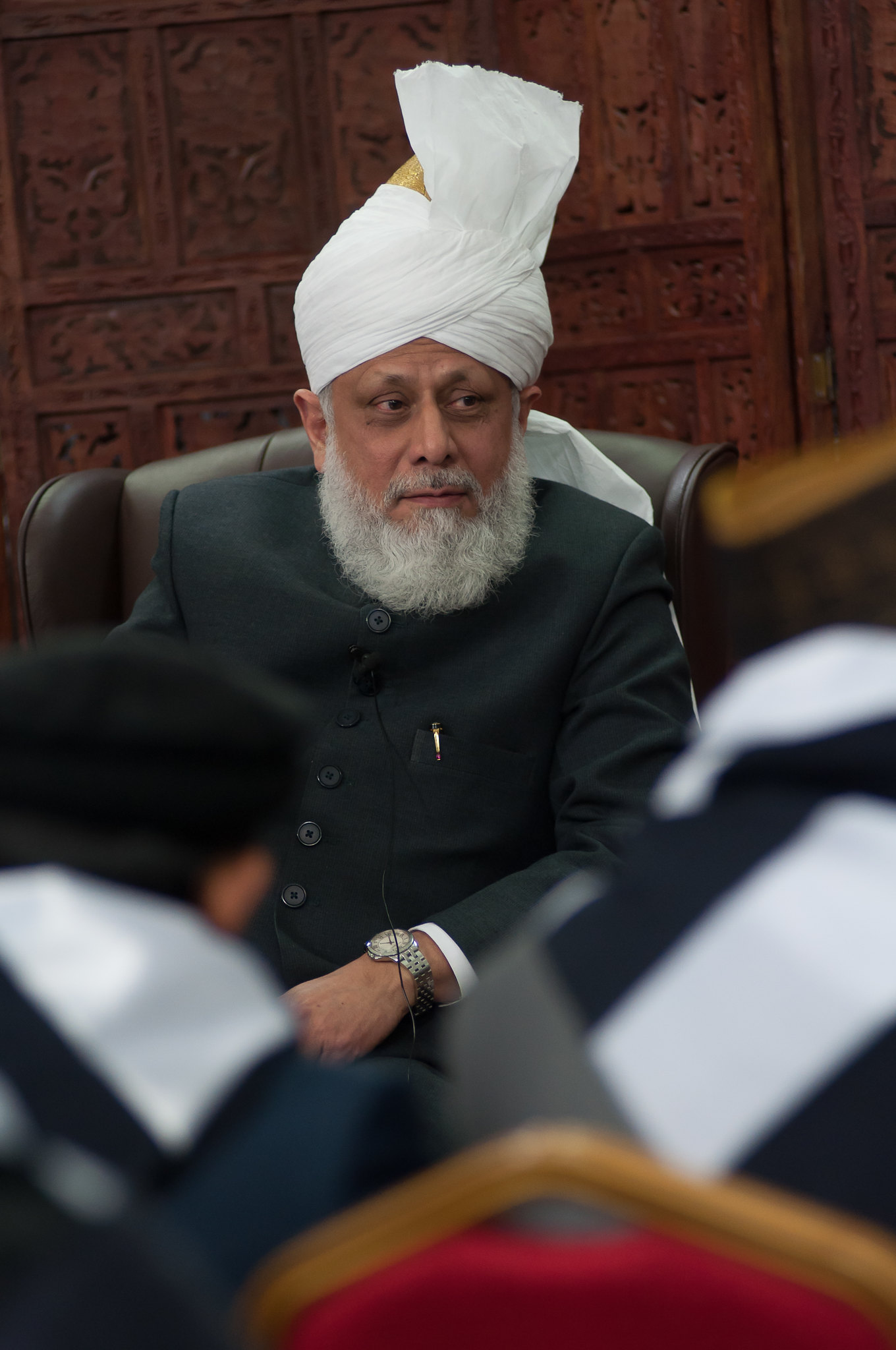
When inviting people to our religion, we should adapt to them so that they can understand us best. For Khuddam, waqf-e-arzi and tabligh are opportunities to live this responsibility – to take up the pen and defend Islam with sincerity and truth.
By the Grace of God, Khuddam across the UK have proved themselves time and time again in their devotion to the propagation of their beloved religion. Many events and tabligh sessions have been organised so that Khuddam have the opportunity to take part in this crucial Jihad and not only to spread the Message of Islam Ahmadiyya but to broaden their knowledge in regards to this.
A beautiful example of our Khuddam fulfilling their duties was carried out recently, by West Midlands Region, under the leadership of Sadr Majlis UK.
REPORT – Rawah-Ud-Din Arif Khan
Regional Qaid West Midlands
Majlis Khuddamul Ahmadiyya West Midlands held its Waqf-e-Arzi from Friday, 5th December, to Sunday, 7th December 2025, at Dar-ul-Barakat Mosque, Birmingham.
Planning began weeks in advance, with National Mohtamim Tabligh Sajid Zahid Sahib, Regional Nazim Tabligh Imran Ahmad Khalid Sahib, Regional Nazim Khidmat-e-Khalq Zaied Janjua Sahib, and Regional Qaid West Midlands Rawah-ud-din Arif Khan Sahib coordinating a comprehensive schedule of events. A wide range of Tabligh, Tarbiyat, Talim, Khidmat-e-Khalq, Waqar-e-Amal, and Sehat-e-Jismani activities were planned for three packed days of service.
Friday 5th December 2025
On Friday morning, the Waqf-e-Arzi began with a Khadim purchasing ingredients and preparing two large pots of chicken pasta at the mosque. The food was then packed and distributed to over 50 people in need, in Birmingham city centre. Following Isha prayer, the Waqf-e-Arzi participants, joined by the National MKA Tabligh Team and other Khuddam, took part in a Muay Thai training session and a game of badminton, followed by dinner. The day concluded with a briefing by the National Mohtamim and his team, outlining the schedule for the day ahead for the 14 Waqf-e-Arzi participants.
Saturday Morning 6th December 2025
On Saturday, 47 Khuddam began the day by offering Tahajjud prayer in congregation, led by a Khadim, followed by Fajr prayer and a Dars on the importance and method of preaching as practised by the Holy Prophet (sa). A group of Khuddam then prepared and served breakfast, scrambled eggs with toast, croissants, spreads, and chai, for all attendees.
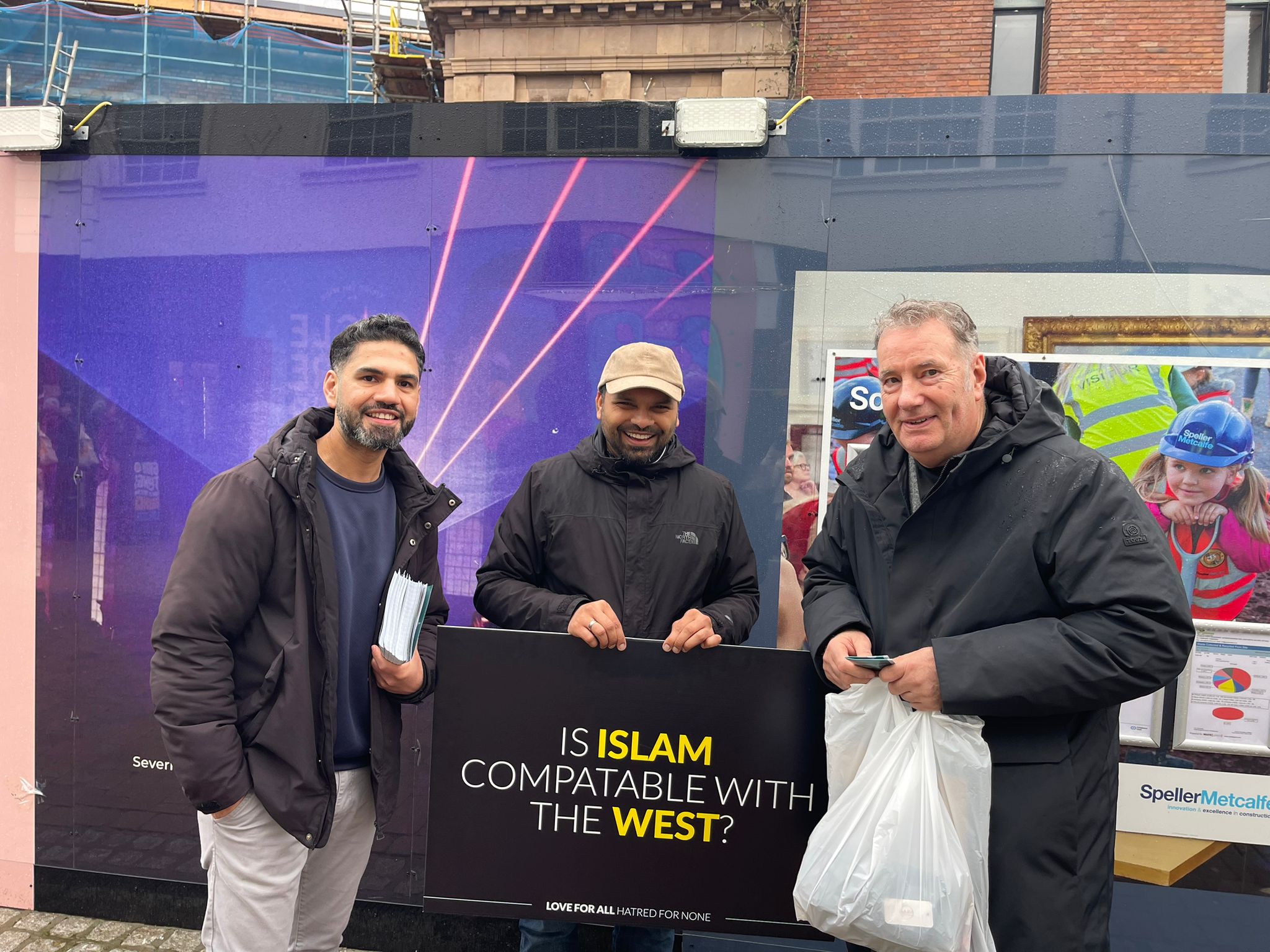
At 9:00 am, two groups, each consisting of Waqf-e-Arzi Khuddam, the National Tabligh Team, and Khuddam from each of the nine Qiadats of the West Midlands, set off for their respective activities. One group travelled to Whitley Common, Coventry, where they planted over 800 trees and served chai to non-Ahmadi volunteers present on site. Simultaneously, the other group travelled to Birmingham city centre to distribute True Islam leaflets, seasonal greetings cards, chocolates, and chai.
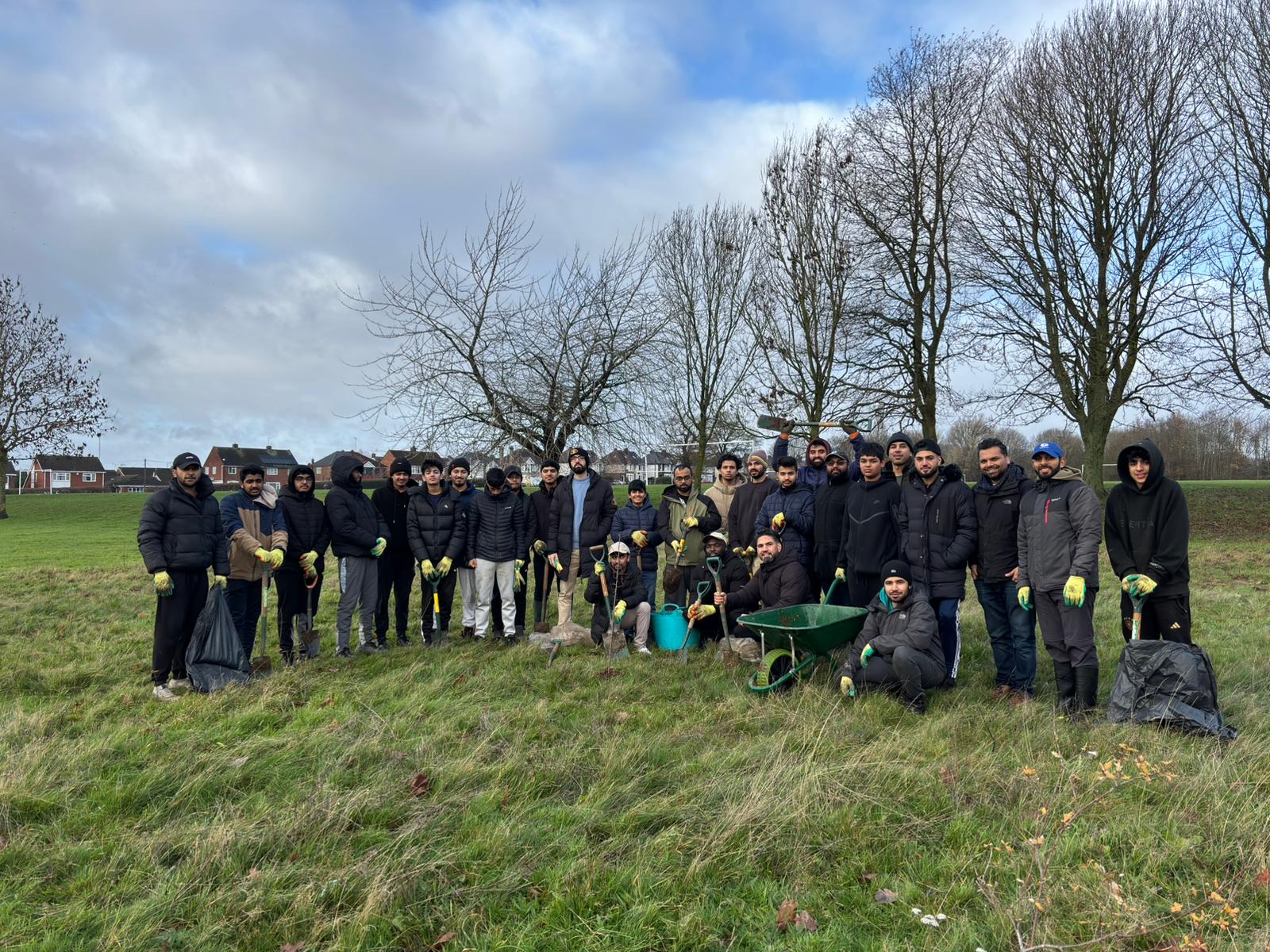
Tree planting
This group also carried question boards to spark discussions about Islam. Meanwhile, Qiadats outside of Birmingham held their own leafleting and Tabligh stalls as part of the coordinated plan. As a result, numerous interactions and conversations took place, and several new Tabligh contacts were established. All participants then returned to the mosque for Zuhr and Asr prayers in congregation.
Later that afternoon, the Tabligh group visited another location in Birmingham to continue distributing leaflets and engaging with the public. At 7:00 pm, the Regional Nazim Tabligh and local Nazimeen-e-Tabligh held a meeting with the National Mohtamim Tabligh and his team, followed by Isha prayers.
In the evening, 45 Khuddam gathered for dinner and attended a Tabligh workshop, where the National Tabligh Team delivered an interactive session using role-play to demonstrate effective methods of engaging in Tabligh. Khuddam also had the opportunity to ask questions and seek guidance. The day concluded with a final meeting with the Waqf-e-Arzi participants to review plans for the following day.
Sunday 7th December 2025
Sunday once again began with congregational Tahajjud and Fajr prayers, followed by Dars and breakfast. At 10:00 am, the Waqf-e-Arzi Khuddam travelled to Worcester, where they distributed seasonal greetings cards, leaflets, and chocolates to members of the public. While half of the group remained in Worcester to continue Tabligh efforts, at 1:00 pm, the other group returned to Birmingham and, accompanied by additional Khuddam, visited a nursing home in Sheldon. There, they distributed snacks, toiletries, and cards to elderly residents and engaged in warm and friendly conversations.
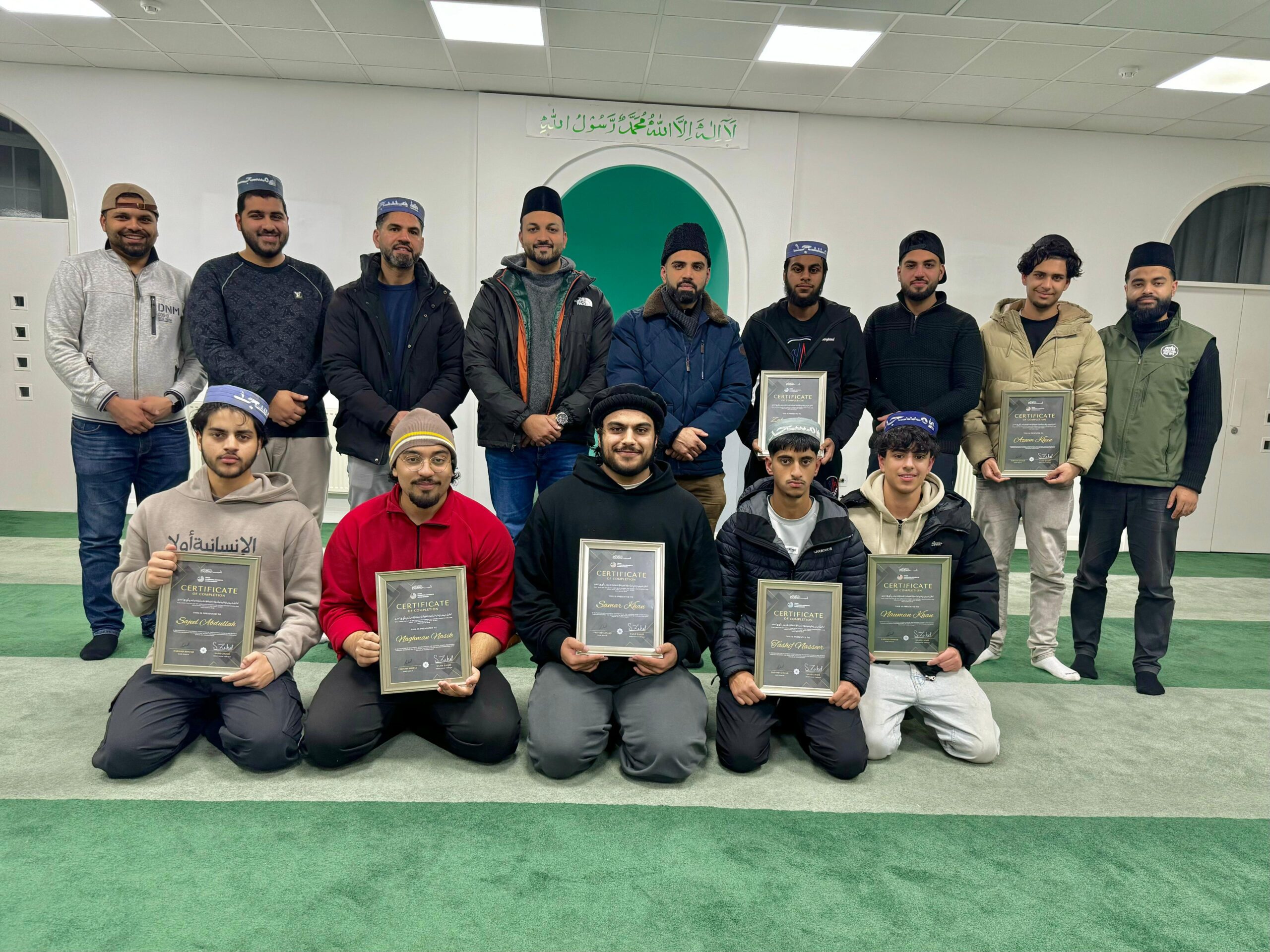
In the evening, following Maghrib prayers, the National Mohtamim Tabligh chaired the concluding session, during which Khuddam shared their experiences and offered constructive feedback. Ten Khuddam successfully completed the Waqf-e-Arzi and received certificates acknowledging their achievement.Alhamdulillah, all participants expressed that they had benefitted greatly, having the opportunity to grow spiritually, strengthen brotherhood, increase knowledge, and gain confidence in Tabligh activities.
Concluding Remarks
The participating Waqf-e-Arzi Khuddam were:
Tashif Naseer, Nauman Khan, Azeem Khan, Zafeer Sheikh, Samar Khan, Jazib Ahmed, Sajeel Abdullah, Naghman Nasik, Akeel Ahmad, and Rawah-ud-din Arif Khan.
Over the course of the three days, despite adverse weather conditions, over 50 Khuddam—including the 10 Waqf-e-Arzi participants, some as young as 16 persevered and collectively distributed more than 1,500 True Islam leaflets and 400 seasonal greeting cards, established over 17 new contacts, donated over 90 kg of food, planted 800 trees, visited a care home, offered free chocolates and tea, engaged in numerous meaningful conversations, and brought countless smiles to the community.
During the Waqf-e-Arzi, the region also made a donation to the Humanity First Food Bank in Walsall, contributing £880, which had been raised the week prior.
We were grateful for the constant support and guidance of National Mohtamim Tabligh Sajid Zahid Sahib, along with his team, Murabbi Noor Hadi Sahib, Armughan Khan Sahib, Sarmad Zahid Sahib, and Hamed Zahid Sahib, as well as National Mohtamim Amoor-e-Tulaba Mudassar Ahmad Sahib. May Allah bless all participants abundantly. Ameen.
On Monday, 8th December, Rawah-ud-din Arif Khan, Regional Qaid West Midlands, was also fortunate enough to give a live radio interview on the BBC, during which a detailed overview of the Khidmat-e-Khalq and Tabligh activities was presented.
End of Report.
Interested in going on Waqf-e-Arzi?
Please get in touch with your local Qaid to express your interest in all upcoming Waqf-e-Arzi opportunities in 2025 and 2026.
May Allah make it a beneficial experience for you and for the Jama‘at. Ameen.
Get the Tariq Magazine through your letterbox each month.

A Spiritual and Moral Training

The Holy Quran – A Casket Of Jewels


